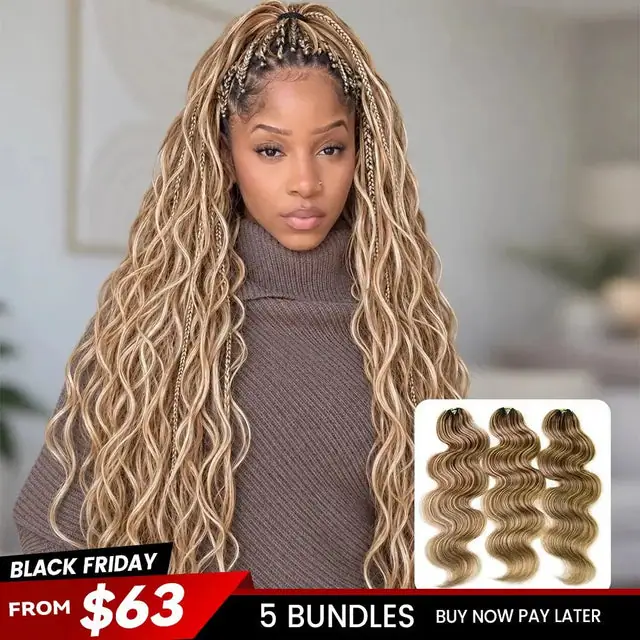
A low quoted unit price is useful only when you know what it includes. Whether you need one wig, several pieces for a salon or a larger order, give every supplier the same specification. That makes differences visible and reduces the chance of comparing products that only look similar in a photograph.
Describe one exact specification
Include the product type, stated hair material, texture, color, advertised length, density option, lace dimensions, cap measurements and attachment method. Add the quantity and destination country. If you require a ready-to-wear finish, list each preparation step you expect, such as pre-cut lace or a particular hairstyle, rather than using a broad phrase such as “premium quality.”
For a repeat order, attach the agreed specification from the previous purchase. Brand names, promotional titles and supplier item codes are helpful references, but they do not replace the physical requirements. Ask the supplier to flag any proposed substitutions in writing.
Compare the complete cost
Request the currency, unit price, quantity threshold, sample charge, packaging charge and shipping estimate as separate items. Clarify who is responsible for any destination taxes or import charges and whether those amounts are included. Confirm the quotation’s expiry date and the payment schedule before treating it as an available offer.
Keep the comparison in the original currency unless you explicitly choose an exchange rate and date. A catalogue price recorded on Wig.BUZZ is a reference from the source listing; it is not a confirmed factory quotation or a guarantee of the final amount payable.
Use a sample to resolve uncertainty
For an order where consistency matters, ask about a paid sample and the process for approving it. Agree on the cap measurements, color reference, finishing, packaging and acceptable variations before discussing a production quantity. Keep photographs and written observations tied to the sample’s specification.
Ask whether the production item will use the same construction as the sample, how changes are communicated and what happens if the shipment differs. A sample does not eliminate every risk, but a recorded approval gives both sides a clearer point of comparison.
Confirm the service responsibilities
Distinguish preparation time from transit time and ask what each estimate depends on. Clarify the inspection window, how a problem is reported, who pays any return shipping and whether customized goods have different conditions. Keep the supplier’s answers with the quotation.
Wig.BUZZ inquiries help you organize these requirements. Sending an inquiry does not place an order or establish a supplier relationship. Evaluate the written offer you receive against the same specification before deciding whether to proceed.


Have something helpful to share? Be the first to join the conversation.