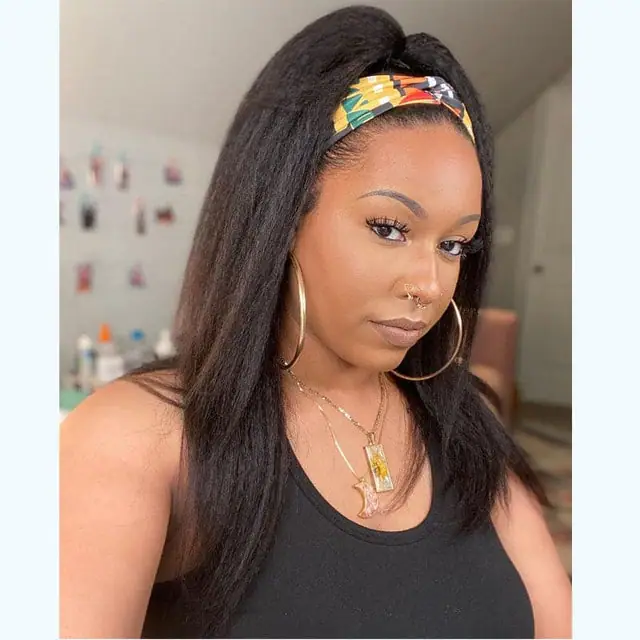
Hair descriptions can sound precise while leaving important details unanswered. A product may be described as human hair, Remy, virgin, raw or double drawn, yet those words address different characteristics. Treat the label as the start of a discussion about the exact item, its processing history and the evidence available.
Separate the claims
Human hair identifies the stated material. Remy is commonly used for hair whose cuticles are aligned in the same direction. Virgin and raw are used for processing-related claims, while double drawn relates to the distribution of strand lengths and fullness toward the ends. Because sellers may define these labels differently, ask for their product-specific definitions. A geographic name or a grade such as “10A” does not by itself establish performance.
Keep material, construction and processing in separate columns when comparing products. A wig can have a detailed hair description but little information about its cap, lace or color treatment. Missing information in one column is not filled by a strong claim in another.
Ask about the finished product
Request confirmation of the material composition, whether the hair has been colored or lightened, how the texture was created and which maintenance instructions apply. For a colored unit, ask whether the photographs show the current color option and how normal variation is handled. A claim about the hair before manufacture may not describe every treatment used to create the finished style.
If you plan to change the color, ask what the maker supports for that exact product and whether alteration affects the return conditions. Do not use a general “can be dyed” statement as a promise that a particular shade or lightening result is achievable.
Ask for comparable evidence
Useful evidence includes clear close-ups of the part, hairline, ends and inside of the cap, plus an unedited view of the selected length and color. For larger orders, discuss a sample and agree on what will be checked before a production order. Record the sample specification so a later shipment can be compared with it.
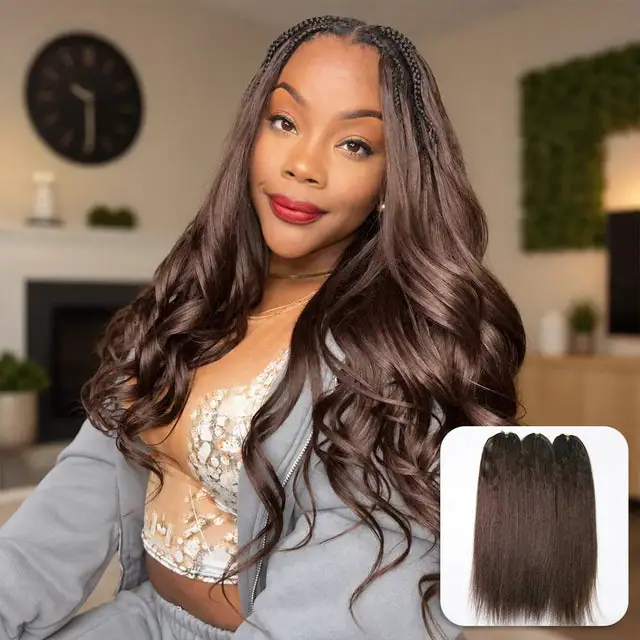
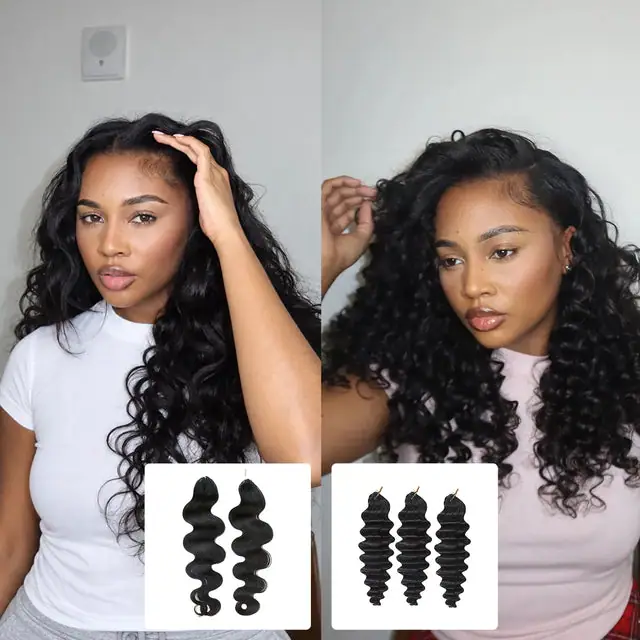
A polished model photo cannot show everything about material composition, shedding over time or how the hair behaves after repeated washing. Neither a product listing nor a short unboxing video is a long-term wear test. Avoid judging quality from shine alone or using destructive home tests that could damage the product.
Make the decision traceable
Keep the written answers, selected options and date of the quotation together. Choose based on the details that are documented and the support available if the delivered item differs. When a claim remains unverified, retain that uncertainty in your comparison instead of turning it into a score.
Have something helpful to share? Be the first to join the conversation.